Costuming a period show is a massive undertaking. Often involving yards upon yards of fabric and trim, long hours of labor and research, and more pins than a bowling alley to hold it all together. When it comes time to revive a show, it’s wise for time and budget to try and reuse some of those original costumes, making tweaks to suit different actors, characters, or new story details. Reviving The Last Garden Party, our beloved Victorian mystery tea from 2016, meant combing through the costume archive to unearth custom-crafted treasures. But here’s a secret: Not all the costume pieces we recycled came from 2016’s show. Over ten years, we have amassed quite a collection of costumes and amazing, talented artists with archives of their own. So let’s step into the MMP atelier once again to learn about giving old costume pieces a second chance in this latest behind-the-scenes blog post!
SECOND CHANCES: The Making of The Last Garden Party (Part 4)
If you peek into any theatrical closet, every costume piece tells a story. One blouse, skirt, jacket, pair of trousers, shoe lives dozens of lives and as many asks as the actors. Some of our pieces have rocketed through the centuries faster than a speeding Delorean. And that’s a good thing! More versatility with a garment means that it can be used for many, many shows, giving it a life beyond that production it was made for. Here are some life stories about the costumes of The Last Garden Party 2026 revival, and how we styled them for this production. We’ll also take a look into award-winning Costume Designer Beth Sparks-Jacques and maestro milliner Margit Stallings’ wonderful new work for the show to bring it to a new decade. Let’s go!
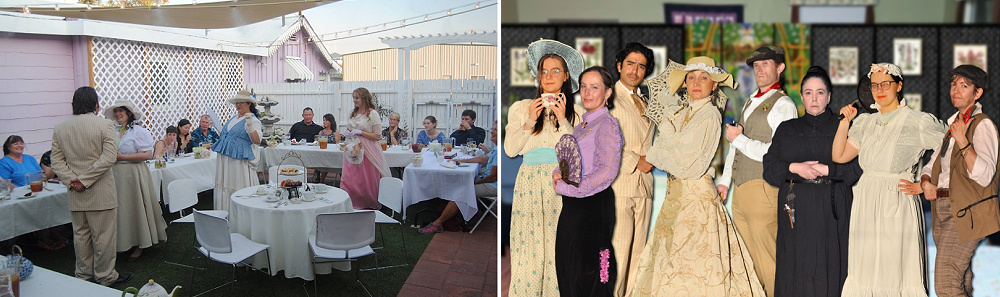
The previous costume scheme was inspired by the “country” outfits worn by the cast of the 1990 Metropolitan Opera’s production of A Little Night Music: all creamy white to suggest a sort of “angelic” demeanor. Of course, we meant that to be an ironic beatitude. This evolved over the production to a range of tea colors and cream, white, oatmeal, etc. The cream of the crop, if you will. Then each character got a pop of color to brighten them up (the show is a comedy after all): spring green, peacock blue, sassy pink, rust brown, and rich wine purple.
Now, for the 2026 revival, the director wanted to pay homage to the original show in certain colors or ideas, but with freedom to reimagine silhouettes, colors, and stylistic elements for this new crop of actors. Devanne built a Pinterest board with a variety of costume ideas featuring everything from military jackets with strong, broad shoulders to embroidered Charles Worth ballgowns. With the inclusion of a new servant class to the original story, the costuming grew to include those ideas. Beth Sparks-Jacques, MMP Hall of Fame Artist and Ruby Hand Award-winning Costume Designer, then joined the team with her extensive knowledge of historical clothing and back catalogue of beautiful garments.
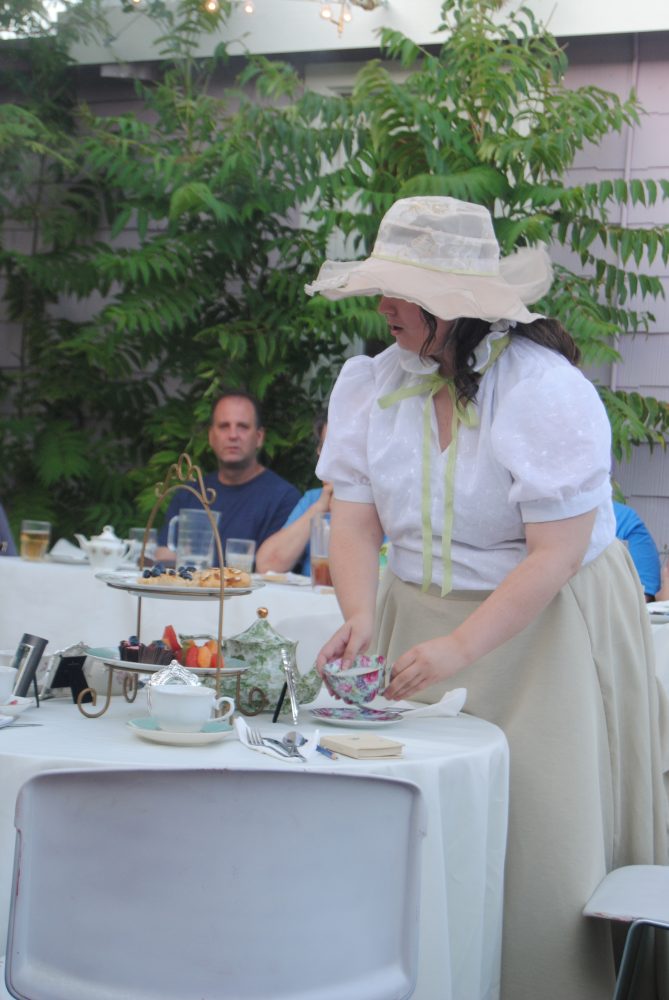
Phoebe Walliscroft in her costume from the original 2016 show. Her embroidered cotton blouse has green ribbon details. 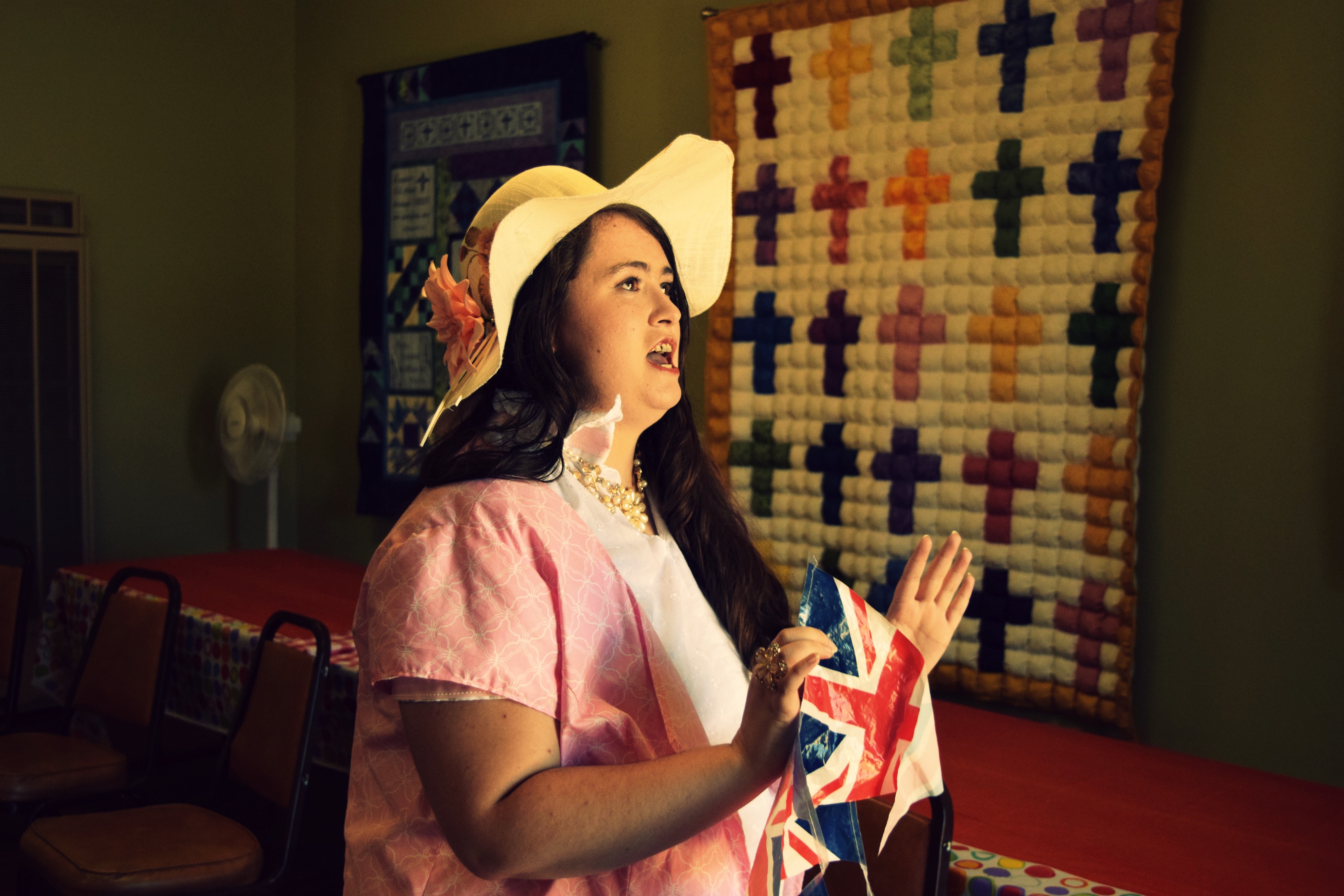
Caroline Shaw from 2017’s Ode to Agatha wearing a reimagined version of Phoebe’s cotton blouse, now with pink ribbons. 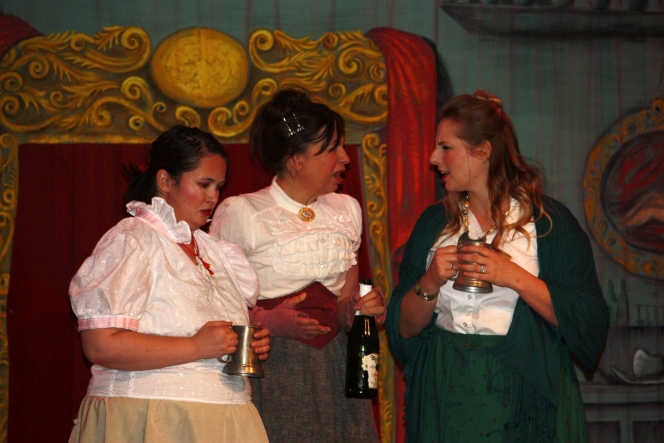
The blouse returns for a Chorus member in Exit Prima Donna. 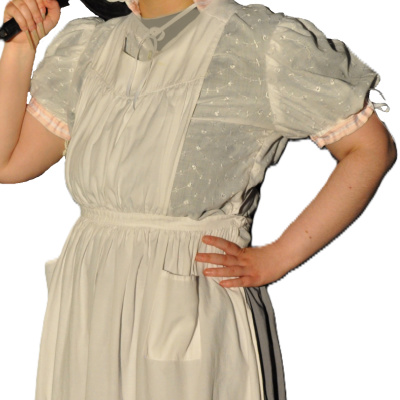
2016 blouse reworked into Eloise’s blouse for the 2026 production.
Starting with Phoebe Walliscroft, the beleaguered hostess trying to juggle maddening in-laws and a skeleton in the croquet lawn, we’re going to start our journey with her blouse. Perhaps one of the most evergreen pieces in the archive, Phoebe’s 2016 blouse–made originally for the 2026 revival’s director Devanne Fredette–was a delicate embroidered cotton with puffed sleeves giving a kind of leg-of-mutton sleeve effect, a style popular in Victorian times. But the play is set in 1900, right at the end of the Queen’s mind-boggling reign. So fashions are modernizing with slimmer silhouettes, less parade float-style hoop skirts, and the growing popularity of the Empire line. Bridging those two cultures, staid Victorian and rapidly modernizing, industrial Edwardian (which would end with the outbreak of WWI in 1914), was a key focus of ours. We wanted lightness for summer garden parties, away from the heavier styles of peak Victoriana. So while some skirts stayed big and fluffy, others were streamlined, reflecting the younger, more fashionable class taking root in English society.
Phoebe in 2016 was an American fish out of water in her new English home. Her in-laws were aristocrats at height of Victorian fashion. She’s just trying to fit in her new surroundings, so her look purposefully treads the line of the two eras. On her blouse, we added a spring green ribbon to highlight her youth and naïveté. After The Last Garden Party closed in 2016, the blouse went through a few more shows: Ode to Agatha and Exit Prima Donna. We added pink ribbon and restructured parts of it to clean it up a bit. Now for in 2026, the blouse returns…on Eloise, the parlourmaid. There’s something charmingly hand-me-down about it, something very common in the upstairs/downstairs relationship of aristocratic society where servants would inherit the older, less fashionable garments of their employers. Eloise’s blouse has been revived with new shaping and ribbons to freshen it up for the current actress. It’s a way of extending the life of these one-of-a-kind pieces for the next generation of performers and shows.
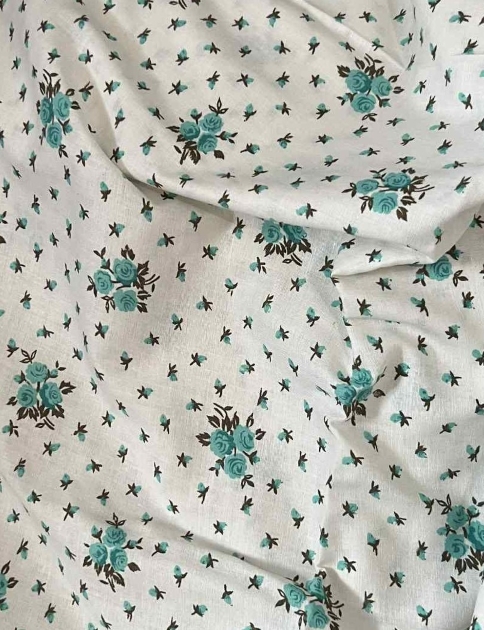
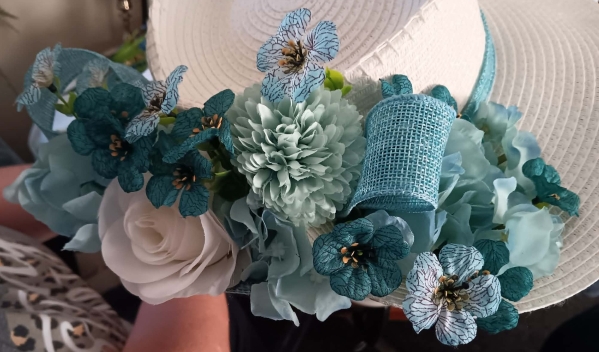
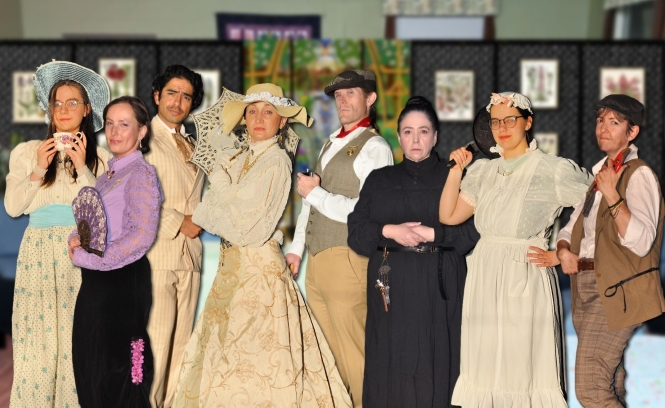
2026’s Phoebe gets a brand-new look designed by legendary MMP costumer, Beth Sparks-Jacques. Instead of green, we went with a brisk, fresh teal found in the necklace chosen by Jewelry Curator Allison Mitchell. Phoebe’s youth is exemplified by her more modern dress with a streamlined skirt and crisp blouse with a diamond pattern. As opposed to the earthy oatmeal shades we used in the first production to show how “grounded” Phoebe is, we opted for bright white, symbolizing “peace,” so she seems to be a dove against a bright blue sky. Her custom hat, created by Margit stallings, whose work includes the staggering fairy crowns for 2024’s A Midsummer Night’s Dream at CLOTA, is a profusion of blue and white flowers.
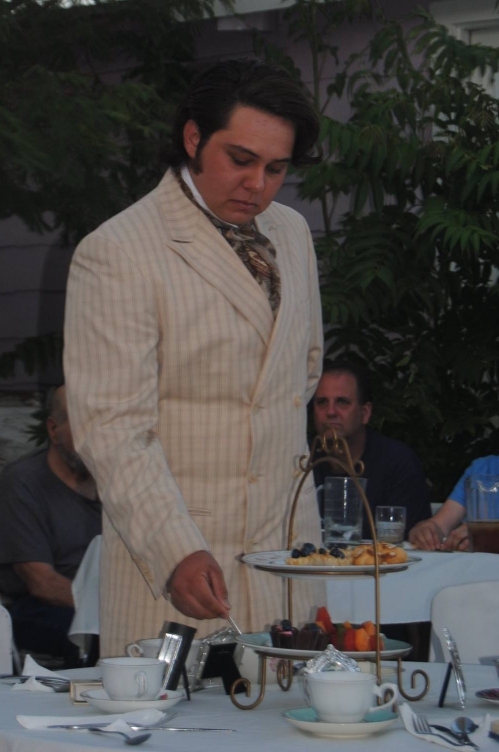
Now I’m sure you must be thinking, “Wait…Is Paul in the same suit?” He is. In one of those brilliant cosmic alignments, Paul’s original suit, with minor tweaks, fit the new actor so well that we decided to reuse it. It’s obviously the strongest link to the debut production and feels like a fitting homage to the cast that made the show so wonderful the first time around. Paul’s cream suit with strong shoulders and a subtle pinstripe highlight his rigid, studious, “stick-in-the-mud” character, and even though he has a little flourish at the neck with his sheer, paisley cravat, it’s rendered in the same colors as the suit, making it blend together into a wall of beige paint.
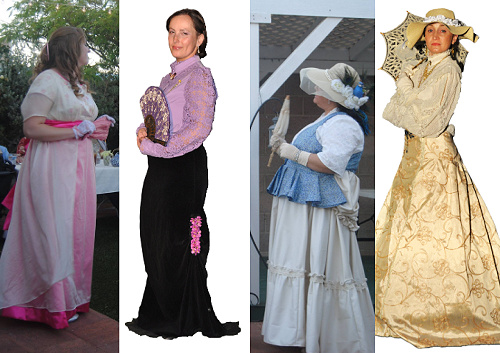
Mia and Lady Elizabeth have the most drastic changes between the two productions. Mia was always seen as young and fashionable with a penchant for bold color statements. This is not a wallflower character. No shy, retiring violets here. Her silhouettes were always slimmer and more Edwardian than the others, because she never felt beholden to the Victorian sartorial standards, looking ahead instead of behind. In 2016, Mia got a bight, in-your-face dash of hot pink, making her impossible to ignore like a hothouse flower. The creamy sheer fabric seems to fold over the skirt like petals. Mia’s original dress was created by Janet Ricks.
For 2026, the vibes shifted to another shocking fashion statement in Victorian Britain: black and pale purple. Why is it shocking? Traditionally, they were the colors of mourning. Mourning culture in Victorian times was rigidly controlled and widely celebrated with a whole set of traditions and customs developed as a result of Queen Victoria’s lifelong grief for her late husband, Prince Albert. By 1900, however, some of those restrictions were starting to relax as the future Edward VII took on more responsibilites and public appearances. And only a few decades later would Coco Chanel unveil the little black dress, moving black into fashionable evening wear. So our Mia wearing this combination of colors for a daytime garden party makes her original and a bit of a rebel. It’s a bit like the goth daughter at the family function. Her silhouette is a silm velvet hobble skirt paired with a lilac lace blouse and coordinating butterfly brooch. We intentionally left off a hat and gloves. She’s still pretty and polished, but her fashion choices make a statement as strong as her lethal levels of sass.
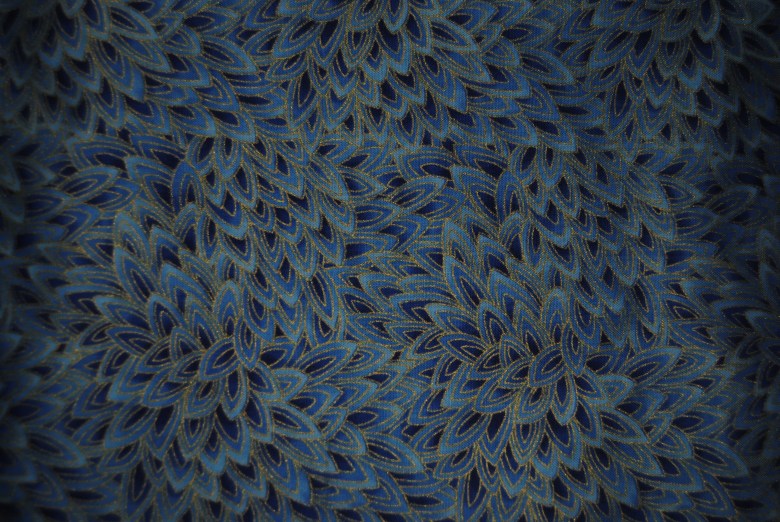
Lady Elizabeth is a domineering force onstage, inspired by the indomitable will (and snark) of Lady Bracknell in Oscar Wilde’s The Importance of Being Earnest. She preens. She parades. She plucks at Phoebe’s nerves. So for her first iteration, we took inspiration from the male peacock with shades of peacock blue and a vest made with a textile that resembled plumage. Lady Elizabeth was so extra that she had an entire peacock on her hat. Along with her bright white blouse, she wore the largest skirt of all the ladies and a bustle to really command the room. Her parasol, often weaponized, was the crowning touch.
In the revival, Lady Elizabeth is more imperious than ever as she’s decked in pearl and gold. Her intricate lace blouse comes from Beth’s collection, and it’s paired with the gold, embroidered overskirt worn by Madame la Comtesse in 2019’s Eat Cake. Here’s a secret: It’s being worn backwards! The overskirt had a slit in the front, trimmed with white lace, to allow the design of the underskirt to be revealed as expected in a robe à la française and other similar garments worn in 18th century Versailles. By spinning the skirt around, the slit now trails as a decorative train in the back of the gown, highlighted a custom bustle detail. Lady Elizabeth in 2026 wears a full hoop and petticoat to again make the largest statement with the largest dress. The embroidery on the skirt harkens back to the delicate embroidery on Charles Worth’s ballgowns seen on the Pinterest board. We traded the peacock for an exquisite dragonfly brooch worn on the center front of the waistband. Her color scheme is repeated through the golden jewelry and warm straw hat with pearl accents on her gloves and necklace.
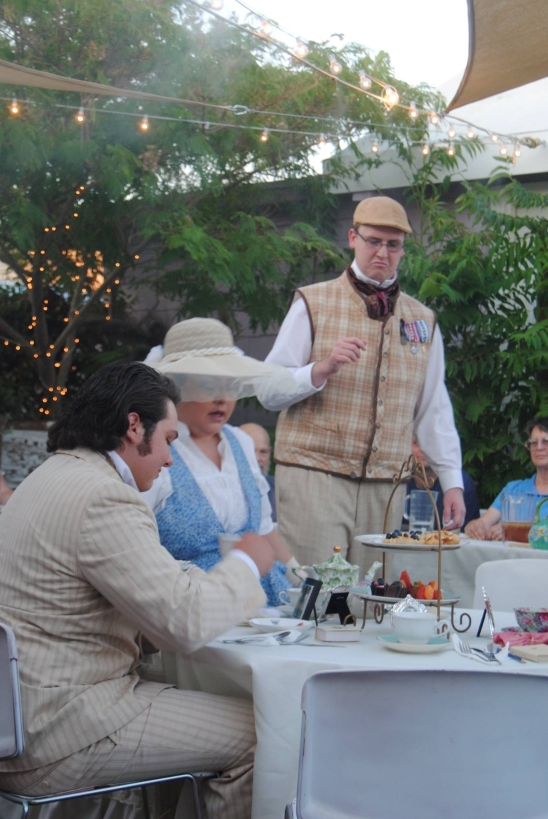

General Major maintains a similar idea between the shows: shirtsleeves, waistcoat, bold cravat, medals, trousers, newsboy, polished shoes, flask. Although he represents a military man, he’s also the drunk, informal uncle at the party with not much of a filter and not much awareness of his surroundings. He’s not an aristocrat in the same way as the others, being a military officer and not an inheritor of generational land ownership. Keeping him in shirtsleeves distinguishes him visually from Paul, a son of the gentry, in his formal suit. The colors were chosen to evoke sand-swept locales of Northern Africa, emblematic of British colonialism and military campaigns. Plaids and herringbones are his patterns, clashing in ways that suggest warfare or perhaps the disordered state of General Major’s mind. While the cut of his clothes is very regimented, there are little suggestions to his life of violence: the clashing patterns unified through colors, the hand-carved bristly spikes on his walking stick, and his red cravat. Red–the General’s chosen color–symbolized violence and warefare. On his chest, he displays a medal. For what? Bravery? Or something more sinister?
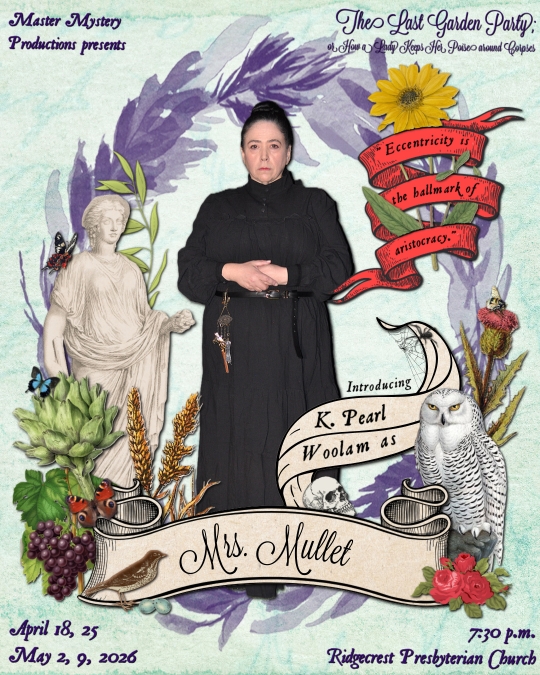
The servants, meanwhile, are new characters exclusive to the 2026 revival, so we had free reign to design whatever we wanted to fit the mood. Our downstairs characters can’t enjoy the same bright colors or sparkles as the upper class, but we found ways to inject personality even so. Mrs. Mullet is the stern housekeeper who is perhaps even more fiercely Victorian in character than Lady Elizabeth. Actress K. Pearl Woolam selected her own dress after consultation with the artistic staff that echoes many famous fictional housekeepers from Mrs. Wilson on Gosford Park to Mrs. Hughes on Downton Abbey. The simple black dress balances the black hobble skirt Mia wears and the dark hat and black gloves donned by Thomas Hangsby. Beth loaned her vintage chatelaine–a kind of lady’s tool belt with various household tools such as scissors, pincushion, pencil, thimble, watch, etc.–to Mrs. Mullet, giving her an authentic touch and a hint of shine without succumbing to the lure of jewelry.
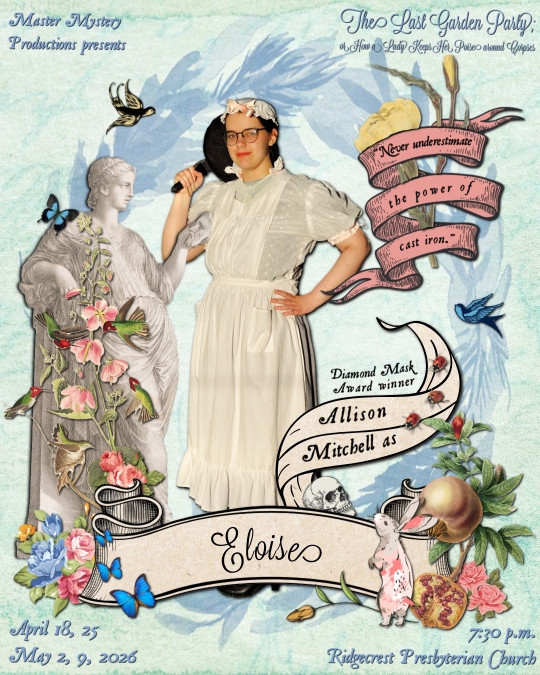
We discussed Eloise “inheriting” Phoebe’s 2016 blouse earlier. Eloise is a young parlourmaid with big dreams and big imagination. She can have more delicate, flouncy, and brighter things to wear, especially if Phoebe, her American mistress who sees Eloise as a friend more than as a maid, gives them to her. A touch of soft pink brighens up a more sober outfit with a gray skirt and a full, starched apron last worn by Mrs. White in Clue the Musical at CLOTA during Summer 2023. The mobcap Eloise wears is reimagined from one made for Marianne in Eat Cake, its red ribbon swapped for pink. Fun fact: The cap is made from leftover embroidered cotton from the 2016 blouse. And it’s never been worn with its matching blouse until this show. No time like the present, huh?
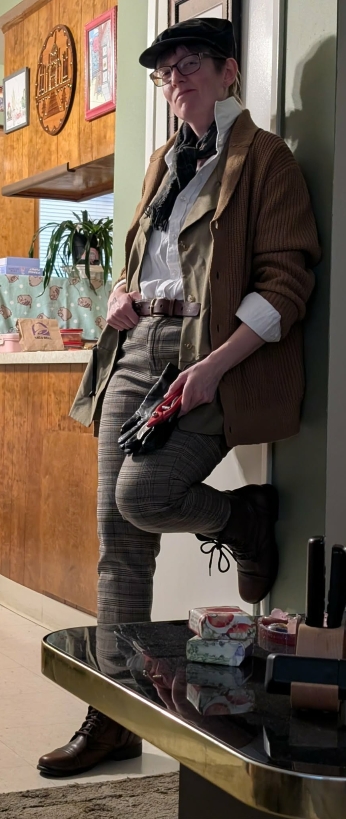
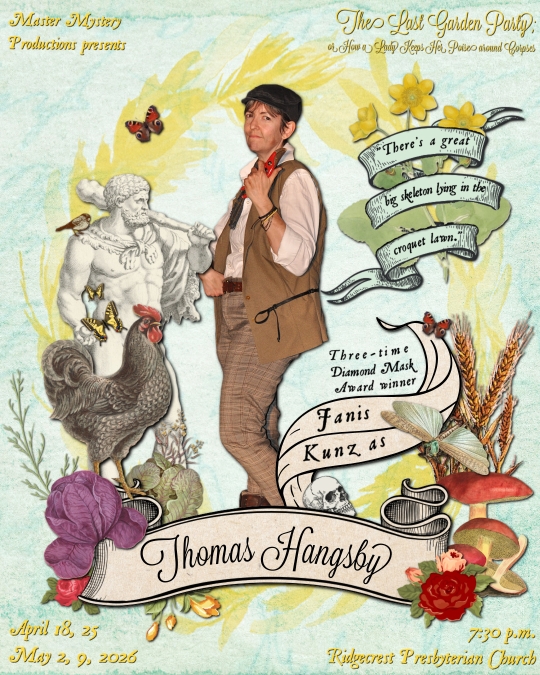
Thomas Hangsby is, perhaps, the lowest of the lower class characters. An undergardener…not even a head gardener. His grubby, rough-and-tumble appearance (which we love) with artistically dirt-smudged fingers and nails (with makeup) forms a perfect contrast with the starched cleanliness of the maid and housekeeper or the glamour and polish of the aristocrats. So naturally, earth tones pervade the costuming, thrifted by Janis Kunz. The shapes and cuts are slouchier; This is not a man with tailored clothing. It’s patched and hand-me-down and curated from disparate places. Layers of vests and jackets, a loose white button-up for brightness, a fringed earthy gray scarf with orange accents, plaid trousers, and worn brown boots create an ensemble that ties with the whole costume scheme and touches shared colors and patterns with characters like Paul and General Major, but also still retains its own personality. But for a pop of color: blood-red secateurs. A delightfully sinister note ideal for a murder mystery.
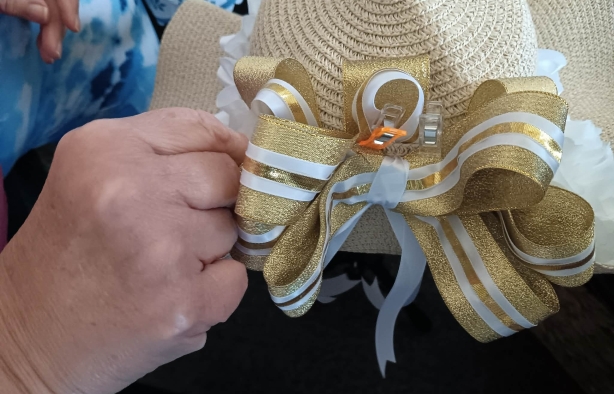
Something we love about the 2026 costume scheme is the way it both maintains the spirit of the production that started it all, but it also has its own fingerprint. It walks the line of homage and artistry with a beautiful balance of color across the collection. The warmth and light in the neutrals are punched up with unmistakable color, deep blacks, and undeniable sparkle. But it’s not just blocks of color. Look closely at the richness of texture and pattern. Fluffy, feathery lace. Rigid pinstripes and plaids. Swirling embroidered foliage. The sheen of metal. The glint of diamonds. These details help make costumes beyond just clothes an actor wears. These garments have personality and tell stories. And that is what the best costumes always do. Even if they are living a second, third, fourth, or fortieth life.
It takes a team of brilliant artists to build a show. However, it takes one artist in particular to shape the entire production for the artists to work towards: the director. For our last behind-the-scenes blog post, Director Devanne Fredette takes us through her memories and motivations of The Last Garden Party in all its forms over the last ten years. She remembers her first role with MMP and share what she wanted to accomplish in this new iteration of a production that touched her heart ages ago. Keep your eyes peeled for Devanne’s story in A Diamond of a Director: The Making of The Last Garden Party (Part 5).
You still have a chance to grab your tickets for the show before they disappear. You can buy them online here or in person at Red Rock Books. We can’t wait for you to see this hilarious show!
–Master Mystery Productions
 Master Mystery Productions